Self-reflection at the turn of the year often begins in January — the month of big plans and good intentions. Perhaps because we humans need this symbolic reset: a new date, a new calendar, a moment that feels bigger than an ordinary Tuesday in October.
The actual trigger is surprisingly simple: the shift of the date, or in short, the new year. With the change of the year, we want to change ourselves. In theory, we could transform on any random Tuesday in October. But we don’t. For some reason, we need this symbolic moment of reset. And that’s why it always happens at the same point: the day after the fireworks, when the last rockets fade outside and a different kind of fireworks begins inside — a fireworks of decisions.
It’s about wanting or desiring to change. Most people eventually realize they are not quite in balance — not physically, not mentally, not in their habits. And then the desire arises to improve something. To let go of bad habits, make better decisions, and return to oneself. This is not negative. On the contrary, it is a sign of introspection — a moment in which you truly engage with yourself.
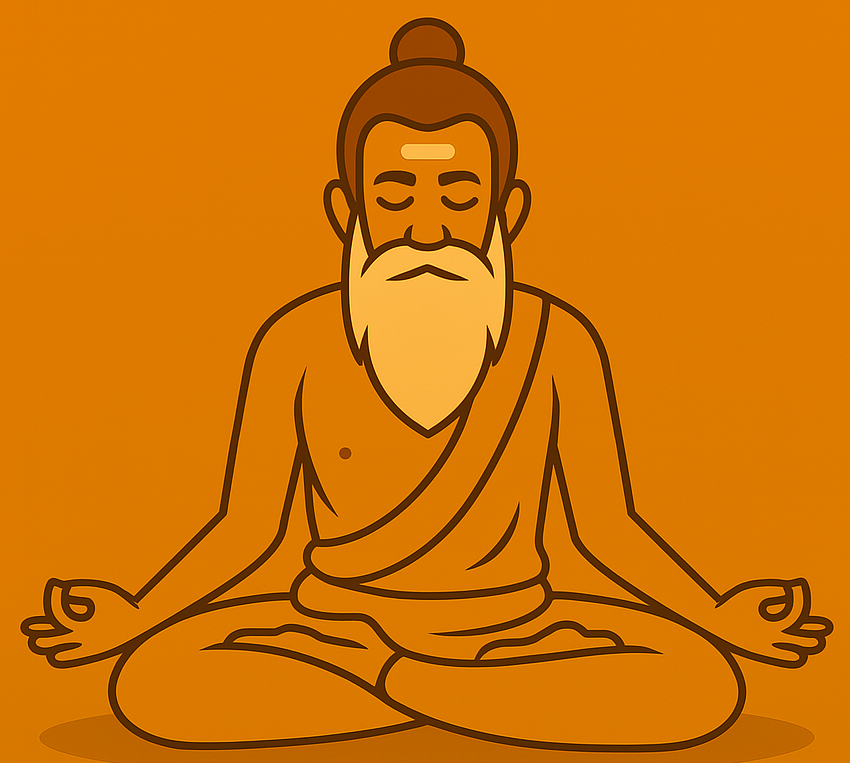
Of course, vanity, external pressure, or health concerns play a role in good — and often uncomfortable — resolutions. Almost every resolution involves sacrifice. You must give something up, leave something behind. And that is not a bad thing. Everyone has their own triggers. Ancient Indian texts say that the body is the “first instrument” for living a meaningful life. Not a mystical phrase, but a sober reminder: without a stable body, nothing carries you through life. A healthy mind lives in a healthy body. The Tirukkural (Tamil literature) says: “The body is the support of life.” Without it, nothing works. With it, everything becomes possible — if you respect and care for it.
And when you begin to eat differently, think differently, act differently, it’s not just your body that changes. Your relationship with yourself changes. That’s the real shift.
The body carries you every day, no matter how you treat it. And that is precisely why it deserves respect — not as an obligation, but as an attitude.
January is not the month of diets. It is the month of decisions. Sometimes big ones, sometimes small experiments like Dry January — a temporary abstinence, a four‑week trial run that shows what change feels like. Not the dramatic decisions, but the quiet, consistent ones. The kind of decisions you don’t post — you live them.
And then comes the disappointment — not about the resolutions themselves. It may be unhealthy food, smoking, alcohol, poor routines, too little sleep, too much stress. The disappointment is rarely about the goal — almost always about oneself. Still, we keep trying.
Self-reflection at the turn of the year as a quiet trigger
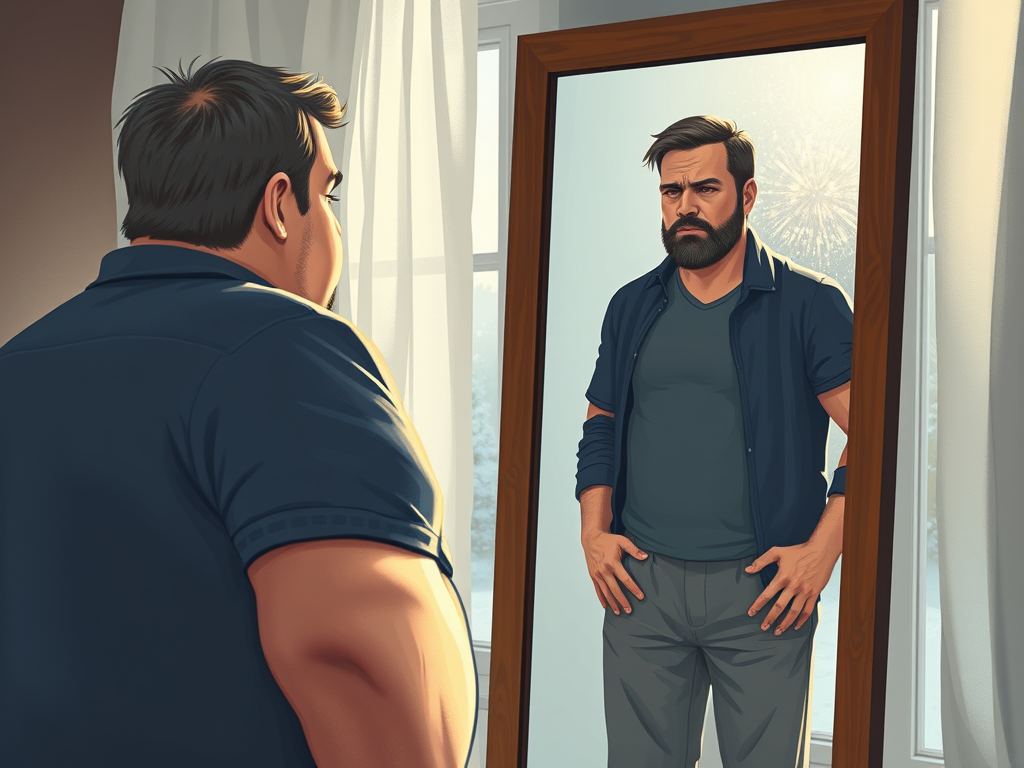
Often, the trigger is a look in the mirror. You see yourself — and the mirror is a clear, reflective, silent messenger. It shows the truth without commentary. Although the mirror reflects the outside, the message goes inward. This mirror moment is the beginning of an interaction with yourself: between what you see and what you feel. The inner conversations begin quietly: “Maybe I should…” or louder: “I really need to…” And then comes the decision — not someday, but at the turn of the year. That’s when it begins. Something has to change.
Transformation is not a battle. It is a conversation — an interaction within yourself. A conversation between who you were, who you are, and who you want to become. And yes, it takes time.
This kind of inner conversation is often the true beginning of self-reflection at the turn of the year — a quiet but powerful trigger.
A conversation that is honest, open, diplomatic, sometimes humorous because you have to laugh at yourself, and sometimes tough. These conversations are also a reflection of your personality. They show how you think and how you value yourself.
Our cells renew themselves roughly every seven years — and you can see it. The last seven years of lifestyle are reflected in the present. Not as a judgment, but as a reminder that change is always possible. It is up to each person to turn this inner conversation into transformation.
A doctor once explained it to me in a simple but striking way. He said: patients often think a doctor only listens to their complaints. Knee pain, back pain, something hurts. But a doctor sees much more. He sees how someone enters the room, how they speak, how they move, what they wear. If someone in cycling gear complains about knee pain, it’s a completely different story than someone weighing 120 kg with the same complaint. Not better, not worse — just a different context. Change must always begin with the status you are currently in. Because life circumstances are just as important as lifestyle.
Transformation is a continuous process. Where this ongoing change leads is up to you. It begins in the mind. And perhaps this is where self-reflection at the turn of the year truly begins — not in the gym, but in the mirror that sometimes looks at us more honestly than we look at ourselves. And it shows itself in the moment you take yourself seriously again — when you recognize yourself in the mirror. Or not.