Historical Retrospective
Dance against digital isolation begins with history. Dance has always been more than just expression, because it was structure, ritual, education and healing. In India, it was codified in the Natyashastra, while in China it blended with opera, masks and martial arts. Moreover, in Ireland step dance became a form of collective discipline, and in Eastern Europe, from Hungary to Georgia, it symbolized community, strength and grace. Therefore, dance has never been beautiful only for its looks, but also for the precision, challenge and shaping it demands. In addition, dance shows how culture builds resilience and rhythm. As a result, dance against digital isolation is not nostalgia but a system of presence. Consequently, history proves that dance is always more than decoration, because it is discipline, posture and community, and it continues to provide structure, healing and visible cultural strength in modern life.
When the Phone Stops Your Action
As soon as the phone makes you immobile, young people scroll but they do not dance. The phone freezes the hand and the body loses rhythm. Dance is not a luxury, because it is a system of posture, rhythm and presence. Whoever dances regains mobility not only for beauty but also for health. Moreover, dance against digital isolation becomes a visible act of resistance. However, this resistance is not only physical but also cultural, because it restores rhythm and posture in a world that often forgets movement. In addition, dance builds confidence and presence, which are essential for social interaction and resilient communities. Therefore, dance is more than art; it is a system of renewal. As a result, whoever dances fights against immobility and screen paralysis. Consequently, dance against digital isolation becomes a universal language of health, rhythm and community, and it shows that movement remains stronger than endless scrolling.
Fusion Instead of Folklore
When Bharatanatyam meets ballet and Bhangra unfolds energy, the future lies not in either or but in both together. Classical ballet brings structure, Bharatanatyam brings expression and Bhangra brings energy. African dances add grounding, Chinese opera dances add precision and Irish step dance adds tempo. Therefore, fusion is not chaos, because it is a new system that works through connection. Moreover, dance against digital isolation proves that fusion builds resilience and cultural clarity. In addition, fusion shows how cultures can meet without losing identity, and it transforms contrast into synchrony. As a result, dance becomes a bridge between traditions and generations. Consequently, fusion is not folklore but a system of rhythm and presence. Hence, dance against digital isolation is visible in every fusion, because it restores rhythm, posture and confidence while connecting communities through shared practice and visible, structured movement.
Children as System Carriers
Dance as an early module for posture, discipline and self‑confidence shows what ballet once achieved and global dance systems now provide. Children learn to present themselves not impulsively but with structure. They train not for likes but for presence. Moreover, dance is not a hobby, because it is an audit‑secure early module. As a result, whoever dances early stands stable later, both physically and socially. Therefore, dance against digital isolation begins early and becomes normal practice, not exception. In addition, children who dance learn rhythm, coordination and confidence, which are foundations for self‑leadership. Consequently, they gain resilience and social intelligence through shared timing, listening and visible posture. Finally, dance is not only movement but also education in rhythm and presence. Hence, children as system carriers prove that dance builds health, community and a lifelong structure for visible confidence.
Visibility Is No Risk
Culture should create open spaces, not close them. In places where visibility is restricted, women are told to veil themselves, withdraw and fade away. However, dance challenges this by showcasing strength, beauty and self‑empowerment. A culture that forbids dance loses its relevance, while one that embraces it gains a future. Moreover, visibility builds trust and community rhythm. In addition, dance against digital isolation restores presence in public space. Therefore, allowing dance is not a threat; it is a system of dignity. As a result, communities grow when movement is seen. Consequently, dance becomes a civic practice that protects expression and health, and it proves that visibility is structure, not risk.
Elegance Is Structure
Elegance is not soft or decorative, because it is precise, demanding and strong. It arises through repetition, posture and discipline. In Bharatanatyam every gesture is coded, in ballet every line is trained and in Chinese dances every fan is a sign. Elegance is not the opposite of strength, because it is its form. Therefore, elegance begins not with fashion but with movement and visible control. Moreover, elegance requires timing, breathing and alignment. In addition, dance against digital isolation makes elegance practical and embodied. As a result, elegance becomes a daily discipline, not merely a look. Consequently, elegance demonstrates health and confidence through structured, repeated movement, and it keeps presence visible without decoration.
Sweating Instead of Scrolling
Physical exertion as an amplifier of vitality shows that dance is not only beautiful but also demanding. Whoever dances sweats, fights and grows. That is not a flaw, because it is a sign of vitality. In a world that relies on convenience and screen paralysis, sweating becomes an act of resistance. It says: I am here, I move and I shape. Moreover, sweat builds stamina and clear posture. In addition, dance against digital isolation replaces passive consumption with active rhythm. Therefore, effort becomes pride, not punishment. As a result, dancers gain confidence and community through shared work. Consequently, sweating proves that discipline and joy belong together, and it makes presence more visible than scrolling ever can.
Groups Instead of Algorithms
Community arises through shared rhythm and not through shared content. Dancing is synchrony not with machines but with people. Whoever dances listens to others, adapts, leads and follows. That is social intelligence and not algorithmic intelligence. Moreover, dancing groups build trust not through likes but through pulse and timing. In addition, dance against digital isolation turns attention into cooperation. Therefore, groups become systems of resilience and learning. As a result, movement builds accountability and care. Consequently, dance rehearsals replace feeds with feedback, and they make presence measurable through rhythm, breath and coordinated posture that communities can feel.
Garments That Shape Presence and Expression
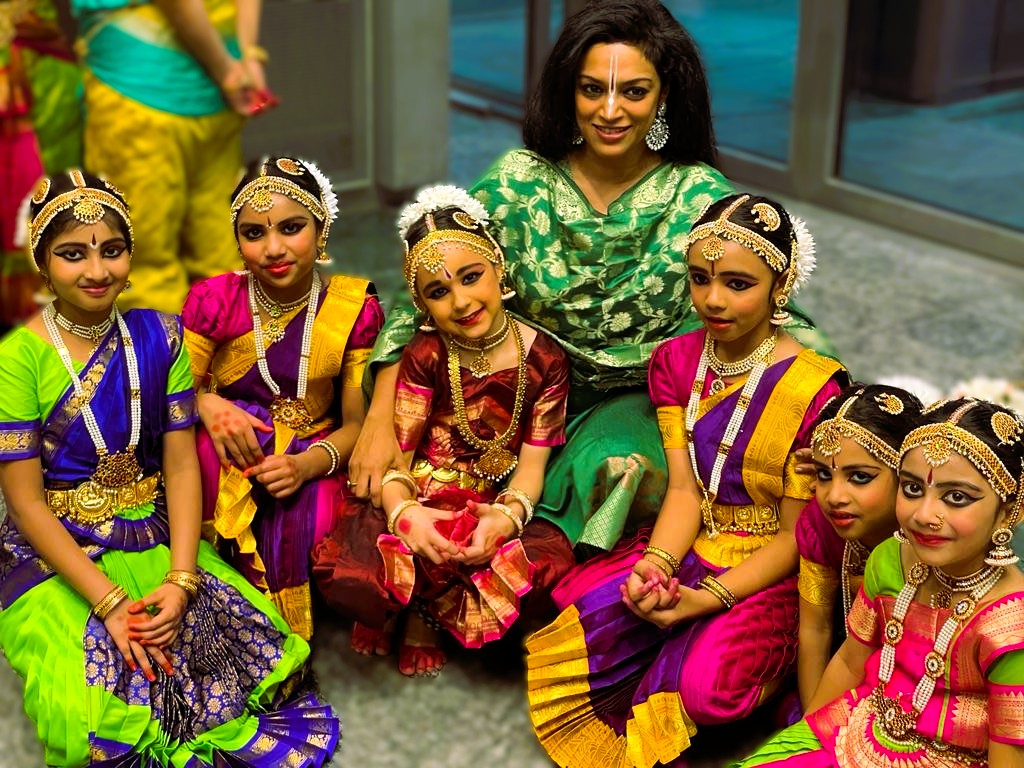
Clothing in dance is more than fabric, because it shows how one carries oneself and how important garments are. In many traditions clothing is inseparable from movement. It flows, whirls and emphasizes every gesture. Colors are not only decoration, because they amplify rhythm and presence. Textiles that respond to the body expand movement instead of restricting it, and they strengthen self‑confidence and identity. Moreover, garments train posture and awareness. In addition, dance against digital isolation makes visibility ethical and embodied. Therefore, clothing is not only covering, because it is visibility in motion and it shapes presence and expression. As a result, garments become tools of discipline and joy. Consequently, costume and practice align, and identity becomes a lived rhythm.
Music as Structural Framework
Rhythm as invisible scaffolding for body and mind shows why dance needs music not as background but as system. Beats structure movement, provide support and demand timing. Children who dance learn rhythm, which is more than beat, because it is an audit‑secure module for concentration, coordination and self‑leadership. Moreover, music trains breath and attention. In addition, dance against digital isolation becomes visible when sound shapes posture. Therefore, music is not decoration, because it is framework and discipline. As a result, practice becomes consistent and clear. Consequently, rhythm protects presence from distraction, and it connects bodies into a shared time that communities can trust.
Classical Dances Are Not Nostalgia
Structured systems for posture, discipline and cultural expressiveness prove that exuberant dancing is fun without doubt. Yet it does not replace what classical dances achieve. Ballet, Bharatanatyam, Slavic folk dances and Chinese opera choreographies shape the body, train posture and foster discipline. Whoever only celebrates moves, but whoever dances classically shapes themselves. Moreover, classical training builds resilience and clarity. In addition, dance against digital isolation requires visible systems, not random motion. Therefore, classical dances are not past, because they are timeless. As a result, their codes still train confidence and beauty. Consequently, classical forms keep culture precise, and they make elegance a learned structure.
Dance as Cultural Export Module
Radiance that works without weapons and logos shows how Indian dance, African rhythms and Latin American choreographies travel. Dance is not commodity, because it is invitation. Cultures that dance export radiance and presence. They show that we are visible, strong and beautiful only through movement. Moreover, soft power grows where rhythm is shared. In addition, dance against digital isolation becomes a public signal of health. Therefore, cultural export through dance is ethical and embodied. As a result, cities gain identity through visible practice. Consequently, movement travels further than slogans, and it creates trust across borders without force.
Teachers as System Architects
They shape not only technique but also posture. Good dance teachers are not entertainers, because they are architects of body awareness, discipline and expression. They see, correct and challenge. Therefore, they give structure and not only praise. Their role is systemic, because they build posture and not only choreography. That is why they are mentors and gurus. Moreover, teachers protect health through precise correction. In addition, dance against digital isolation depends on mentors who make presence measurable. As a result, students gain confidence and discipline. Consequently, teaching becomes design of the body, and elegance becomes learnable and reliable.
Parents as Supporters
Whoever supports dance fosters presence, health and self‑leadership. Parents who enable their children to dance invest not in show but in structure. They create space for training, repetition and visibility. They understand that dance is not only a hobby, because it is a system. Children who dance learn not only movement but also self‑leadership. That is education in rhythm, and parents form the backbone. Moreover, parents make discipline possible at home. In addition, dance against digital isolation needs family support to become normal. Therefore, parents build resilience and trust through time and practice. As a result, children grow into confident community members. Consequently, family rhythms protect presence and health.
Female Grace Meets Male Strength
Dance art and martial art form a system. Dance often appears female‑dominated, because it is elegant, aesthetic and decorated. Martial art appears male‑dominated, because it is powerful, athletic and unadorned. Yet both systems rest on the same principles of discipline, endurance, precision and posture. They appear different, but both are formation. Beauty and hardness, stage and training hall are two poles that shape the same person. Dance art and martial art are not opposites, because they are a symbiosis that strengthens and completes the human being. Moreover, grace is strength in form. In addition, dance against digital isolation unites both into resilience. Therefore, the poles become one practice. As a result, posture and power support each other. Consequently, elegance and force align in rhythm.
Capoeira as Martial Dance
Movement that is acrobatic, musical, ritualized and rebellious shows how in India, in China and in Brazil the connection of dance and martial art becomes visible. Capoeira arose as disguised self‑defense of African slaves, carried by drums and song. It looks like dance, but it is at the same time fight, because it is acrobatic, musical and ritualized. Capoeira shows that movement can be not only aesthetic but also liberating. It is a system that connects body, rhythm and freedom. Moreover, practice turns resistance into play. In addition, dance against digital isolation finds courage in ritual rhythm. Therefore, Capoeira teaches timing and dignity. As a result, freedom becomes visible and trained. Consequently, music and movement protect presence under pressure.
Dance as Cosmic Principle
Movement as order of the universe visible against digital rigidity reminds us that dance is life. It shows the beauty of being not hidden for few but visible for all. Every gesture and rhythm reflects the colors of the universe, which is a piece of world in motion. Dance is not pastime, because it is system that shapes the body, strengthens community and opens presence. Classical dances are not past, because they are timeless. Even the future of the coded society will not escape the rhythm of dance. Therefore, dance against digital isolation must be promoted and preserved. Moreover, dance is the visible beauty of being and at the same time it is a movement against digital rigidity. In addition, it is a mirror of the infinite colors of the universe in the world of humans. As a result, the dancing Shiva Nataraja connects not only the world but the universe itself.
His dance is not ornament, because it is order. He creates, sustains and destroys, which is movement as cosmic rhythm. Ballet and Bharatanatyam shape posture and expression, and Nataraja shows that dance carries the structure of the universe. Beauty and strength, grace and energy exist not only between human poles but also in cosmic dimensions. Therefore, the circle closes, because dance is not only expression but a universal system that connects body, community and cosmos. Moreover, it remains visible, demanding and strengthening even in a digital world that tends toward rigidity and seduction. Consequently, dance against digital isolation becomes cosmic resistance. Hence, movement is not only art but also universal rhythm, and it proves that dance remains stronger than digital paralysis.